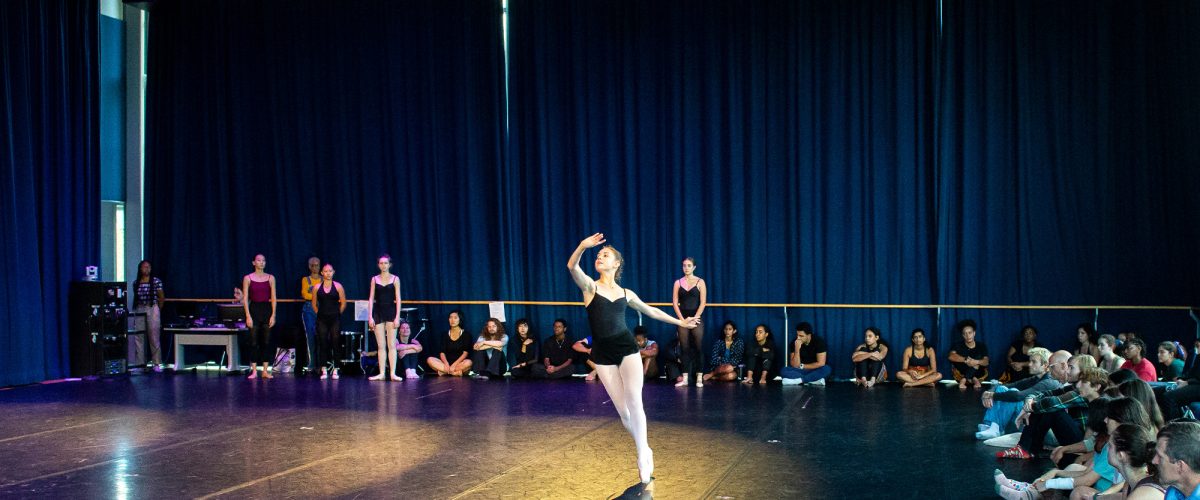
A student dancing solo surrounded by spectators sitting on the floor

Ensembles

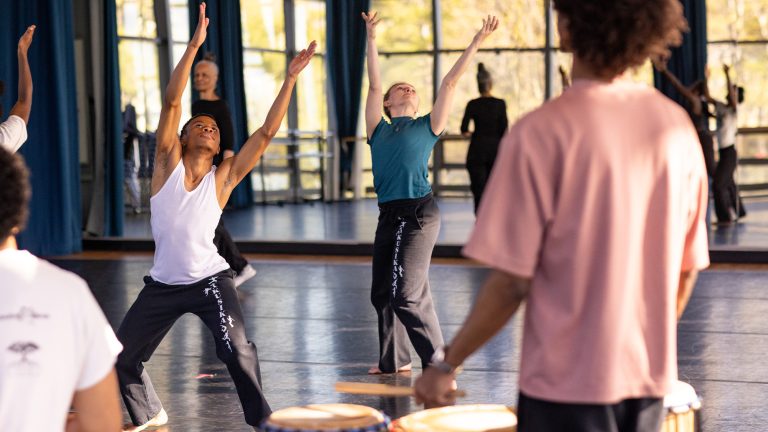
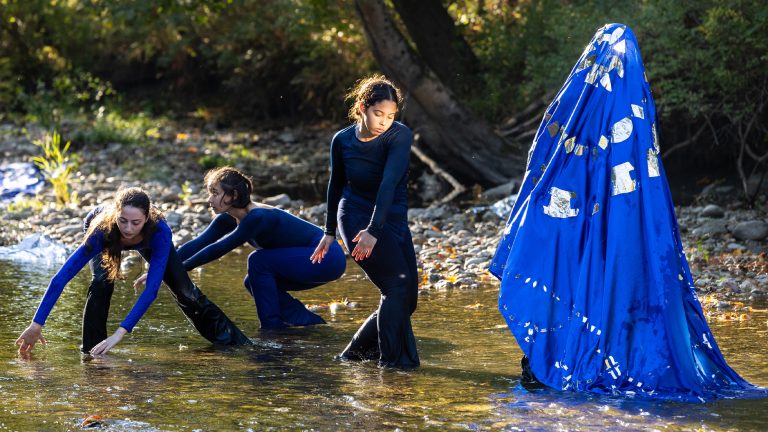
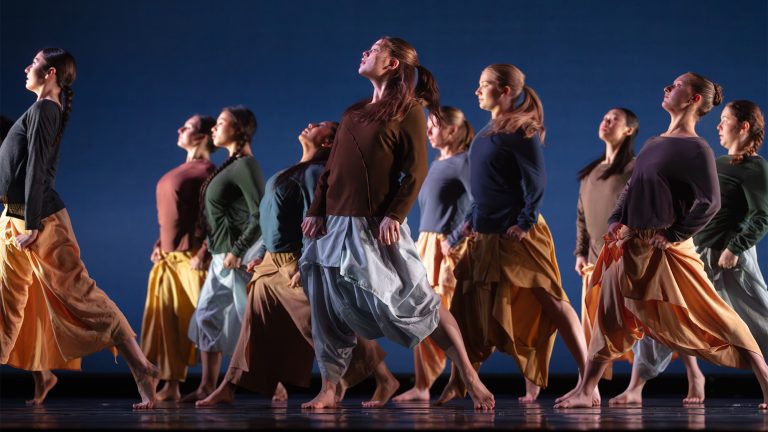
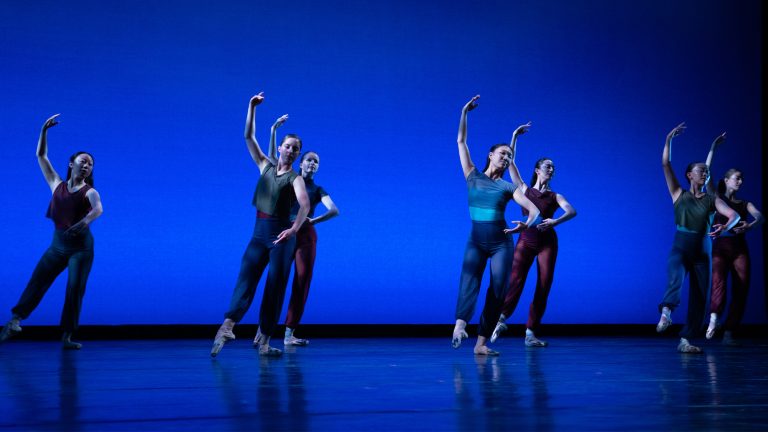
Our performing companies include the Contemporary Dance Ensemble (CoDa), whose members train in modern dance and ballet and perform original works and repertoire; Kusika, where study and repertoire include traditional and contemporary dance and music from Ghana, Guinea, Zimbabwe and the African Diaspora, with members accepted as dancers, musicians and storytellers; Sankofa, the college’s step team, trains and creates using movement and practices originating in the experiences of African American collegiate organizations, world percussive dance forms, and Hip Hop; the Zambezi Marimba Band studies and performs music from Zimbabwe, the African Diaspora and the world.

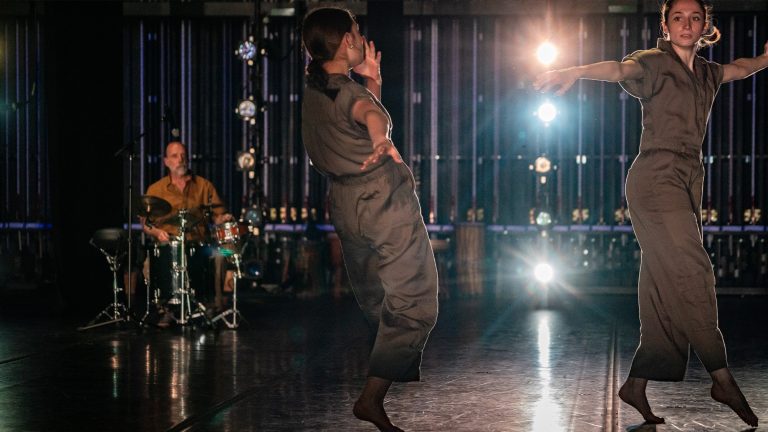
  • CoDa, which focuses on contemporary dance with a strong base in modern and ballet techniques, enjoys a rich history on the Williams campus. The company’s earliest incarnation, the “Williams College Dance Society,” (later called “Dance Company,”) is the oldest of the dance department’s five performing ensembles. Reimagined in 2010 by Erica Dankmeyer ’91, she and co-director Janine Parker create works that incorporate dance with dramatic lighting and costume designs, still and animated projections, and, often, live music. Collaboration with other artists on campus is an important element, as are various resources and venues in the surrounding

    Dancers are selected by audition or invitation from the student body and community members. Students interested in exploring choreography are encouraged to develop pieces on their fellow dancers, and these student dances are often presented on the company’s programs.

    In addition to rehearsals and technique classes in modern dance and ballet several times a week, CoDa members have opportunities throughout the year to take master classes and see performances by visiting world-class dancers and companies.

  • Kusika was founded in 1986 by Ernest Brown, Gary Sojkowski, and Sandra Burton in response to high student interest in dance and music forms from Africa and the African Diaspora. What started as a large class grew into a performing ensemble that Brown named Kusika, which means “to create” in the language of Southern Africa’s Shona people.

    Our mission is to study traditions, perform them, and also to create new work. Tradition and innovation can be found in the same space and time throughout the African continent and the Diaspora. We find inspiration in Africa’s global influence and Kusika is a place where people of various backgrounds come together for study and performance of dance, music and storytelling.

  • Sankofa, Williams’ only step team, was founded by five women of color in 1996 from the Class of 2000: Dahra Jackson, Maxine Lyle, Mya Fisher, Melina Evans, and Samantha Reed. Stepping is a percussive dance form created by black fraternities in the mid 1900s. This movement style is influenced by military drill, South African gumboot, and West African dance. Sankofa, from the Akan language of Ghana, translates to “reach back and get it.” Sankofa used this concept to reach back in order to step forward, reflecting on the organization’s mentality.

    Sankofa choreographs original material that incorporates popular song, drums, hip-hop, break dance, spoken word, poetry, and sheer creative ingenuity. Stepping features precise, synchronized, and complex rhythmic body movements, combined with singing, chanting and verbal play.

  • Zambezi, founded in 1992 by Ernest Brown, plays traditional music from Zimbabwe, Zambia and the African continent. They maintain a broad repertoire that embraces music broadly with a musical depth that is enhanced by the quality of student musicianship and orchestration that includes brass, woodwinds, strings and percussion as an expression towards hybridity.

    The word “marimba” comes from the Bantu languages of Central Africa where it means “the wood that sings.” African slaves recreated marimba once they arrived in the Americas, beginning in the 1600’s. Today, marimbas derived from these instruments are played all over the world, including the marimbas and xylophones of European classical music, the vibraphone, the Mexican and Guatemalan marimbas, and many other mallet instruments. Ernest Brown designed a set of chromatic Zimbabwean-style marimbas that allow the Zambezi Marimba Band to play Zimbabwean songs and jazz compositions.

    In the western United States, there are dozens of Zimbabwean-style marimba bands, which are an outgrowth of the Ethnomusicology Program at the University of Washington. However, marimbas have spread in the East Coast as they are found in the community, schools and colleges. In 1998, the Zambezi Marimba Band acquired a set of Ghanaian marimbas, which are called “gyil” in the Dagara language of northern Ghana. The gyil has a pentatonic tuning and a completely different playing technique from the Zimbabwean instruments. Zambezi has acquired a selection of mbira from Zimbabwe and have learned a wide repertoire from different visiting master teachers.

All students are welcome to audition for membership in the department’s performing companies. Membership is also possible through invitation by the company directors. Company members study with faculty, guest artists and peers. Student choreographers are also supported.