Program in Teaching
First-Hand Exploration of the Field of Education
To understand K–12 education from the inside out is to practice it and think about it at the same time. To become great teachers, students must experience what it is to be engaged, disciplined, and inspired students. They must know first-hand what it feels like to move from novice to expert in a particular domain and connect ideas and practices across disciplines. We want students to be deeply immersed in their course of studies so they will have something to teach, as well as an intrinsic motivation to teach it.
The Program in Teaching offers a unique approach to integrating scholarship and practice with a coordinated cluster of courses, advising, and field work in a variety of settings, that give students the opportunity to study the ideas, questions, and practices involved in good teaching at all levels. As an augment to your chosen major the program opportunities to study many facets of the program offers intensive supervised student teaching, workshops, advising, lecture series and ongoing peer groups.
Classroom Immersion
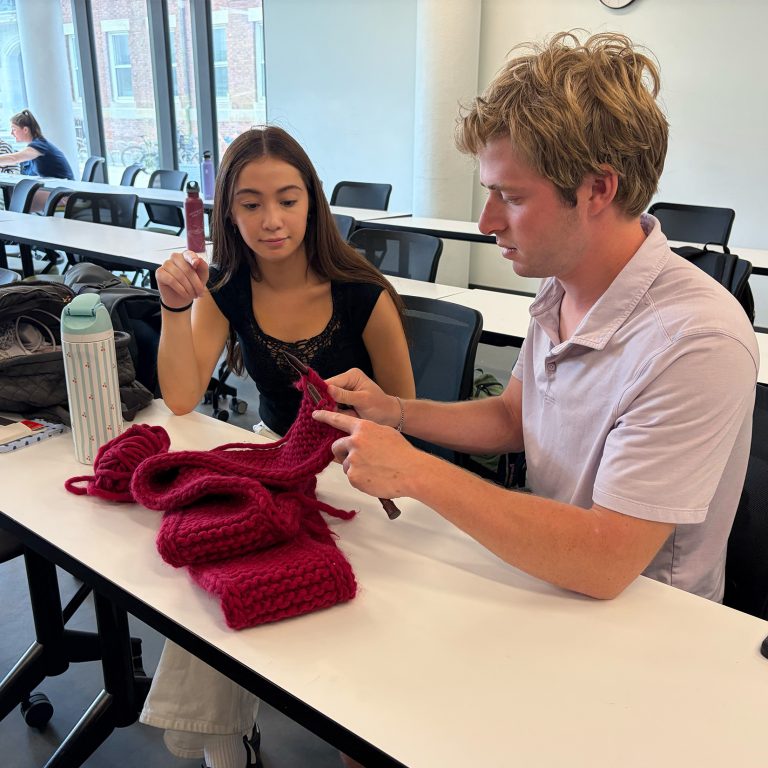
Immerse yourself in the life of a school during Williams’s three-and-a-half week Winter Study. This is also a time each year for students to explore travel courses, independent projects, internships and other intensive courses related to teaching and the field of education.
For Current Students
Current students can log in to access class resources, advising help, research opportunities and more.
Program In Teaching
Wachenheim 223
Williamstown, MA 01267 USA