
The Majors
Our department offers you different paths to explore the vital connection between visuality and creativity. With courses in the history of art and the practice of studio art (or combining both), our majors are designed to help you develop the technical, conceptual, critical and historical tools you need to engage the visual world.
Why Study Art History and Studio Art?
A remarkable number of Williams graduates lead major art museums, while others have earned international acclaim for their own works of art. And generations of Williams alumni who’ve gone into fields as diverse as public service, finance and healthcare say that their Williams art courses still inform their work and their lives at the deepest level.
Art photos
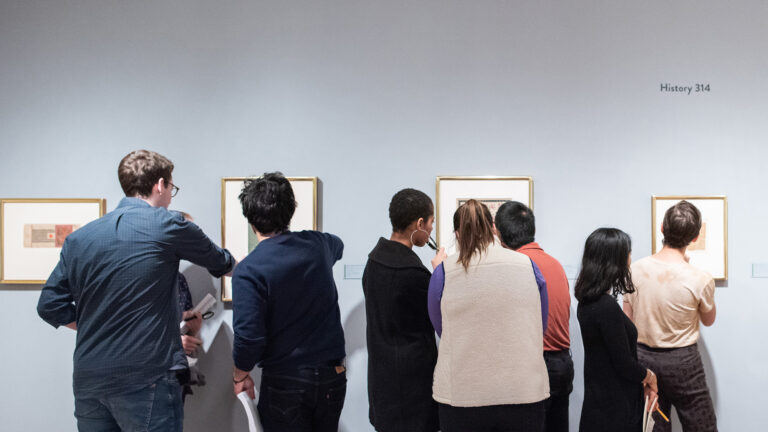
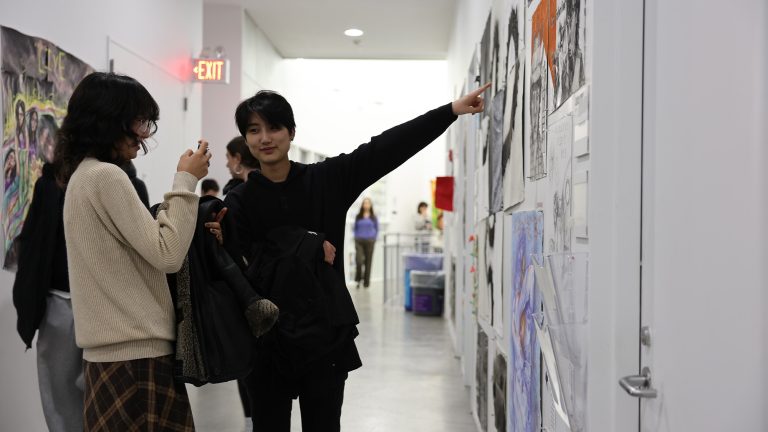
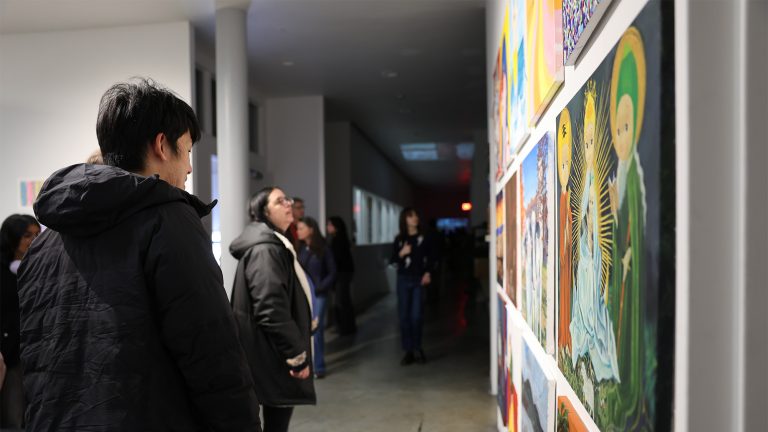
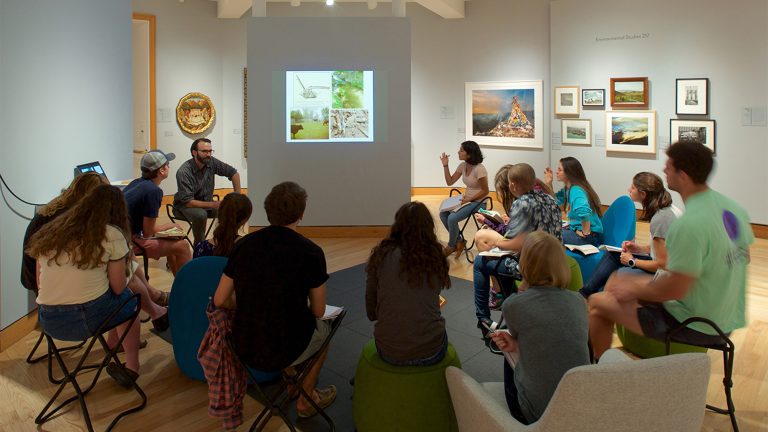
Course Requirements for Each Major
You can follow one of three routes through the department—art history, studio art or history and studio—to complete nine courses and fulfill the major requirements.
Featured Courses
An introduction to the art and architecture of Europe from Antiquity through the Middle Ages to the Renaissance.
This inclusive drawing course welcomes students who are completely new to the study of art as well as those with prior experience.
A semester-long, team-taught introduction to European and American art & architecture from approximately 1600 to the present.
This introductory-level course offers an expansive definition of video art, exploring the overlap between video and other disciplines within contemporary art.
What is architecture? Built form? Object? Space? How do we think about architecture as we move around, within, and through it?
This introductory level course offers an in-depth exploration of pinhole cameras, cyanotypes and digital photography.
Learning Objectives
The study and practice of art is central to the humanistic enterprise of a liberal arts education. Art and architecture are shaped by humanity’s evolving historical, socio-political, religious and aesthetic experience. These visual artifacts in turn shape interpretations of that experience, our own as well as that of other peoples and cultures across time and space. The insights and skills you’ll gain from such visual training build strong analytical tools for understanding history, the diversity of cultures and our contemporary world.
Williams’ art department, through its majors in art history and studio practice, is dedicated to the critical, creative and practical study of visual expression—from traditional media of painting, drawing, printmaking, sculpture and architecture to photography, cinema, installation, video, digital media and performance art. Your particular interests in both wings of the department will guide your own route through the major, allowing you to combine diverse avenues of study.
In studio art, we teach you form, technique, thematic ideas, and theory to support their ability to generate new tones, meanings, feelings and forms. In art history, we teach your approaches to understanding and thinking critically about the ways in which visual arts produce, reproduce or resist social and aesthetic meanings. In doing so we recognize that art history is itself part of the historical process that it studies, and therefore poses ever-evolving questions to the art of the past as well as of the present.
The dynamic relationship between the study of works in history and their genesis in the present makes what we do collectively unique to the college.